Women's Barefoot Shoes: Natural Biomechanics, Real Comfort
For years, conventional footwear has been silently compressing, elevating and reshaping your feet. Women's barefoot shoes were designed to reverse that damage. At ZaMi, every model we select meets strict podal health criteria: anatomical last, zero drop and a sole thin enough to let your foot do the work it was built for. The result is a more efficient stride, fewer chronic aches and a plantar arch that strengthens with every step rather than weakening.
The three pillars of barefoot footwear you should demand
Not everything marketed as "minimalist" truly meets the standard. These are the three criteria we apply to every pair we select for you:
- Wide Toe-Box (Anatomical Last): All five toes must be able to spread without touching each other. A narrow last compresses the little toe, causes blisters and, over time, leads to bunions. The shape of the shoe should follow the shape of your foot, not the other way around.
- Zero Drop (Absolute Flat Sole): Heel and toe are at exactly the same height. Without this feature, your heel artificially pushes weight forward, overloading knees and lower back. With zero drop, your spine aligns vertically and your posterior chain works as it should.
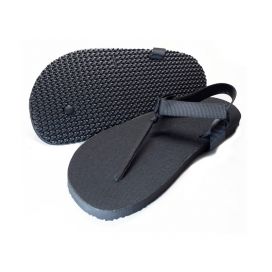
- Thin and Flexible Sole (Active Proprioception): The sole is not cushioning — it is communication between your foot and the ground. A 3-6mm sole allows the pressure receptors in your arch to send real-time signals to your brain, passively activating the stabilising muscles and improving balance with every step.
For every moment of your day
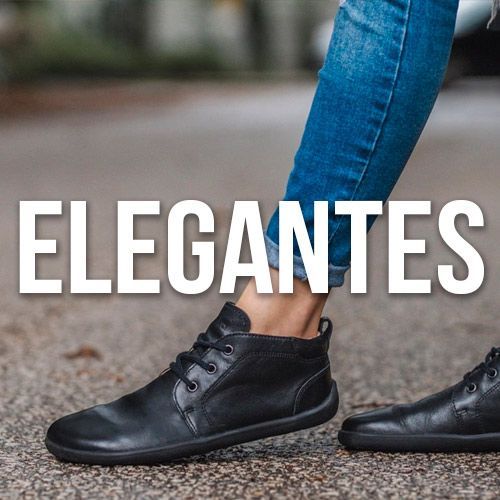
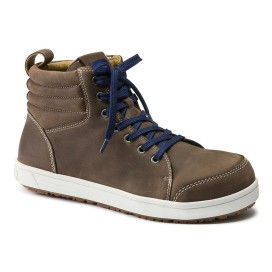
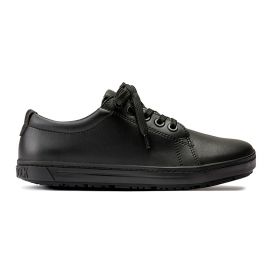
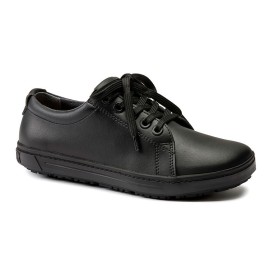
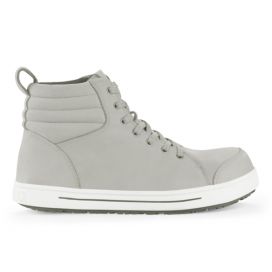
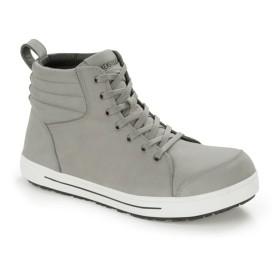
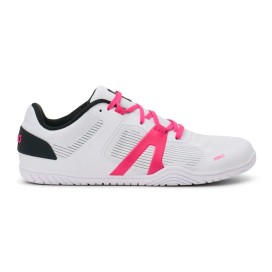
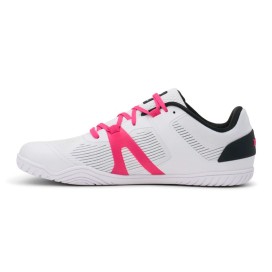
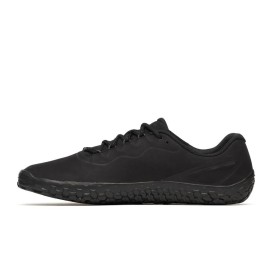
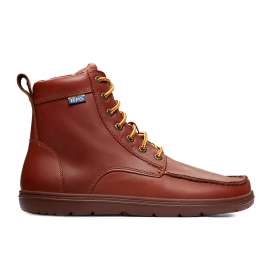
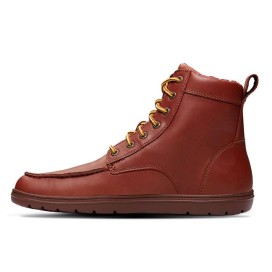
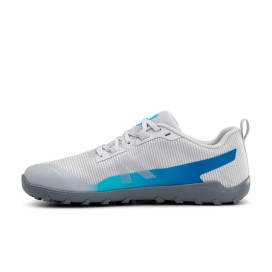
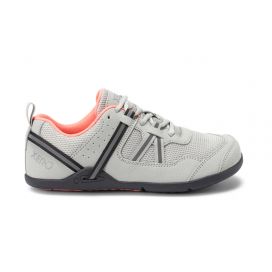
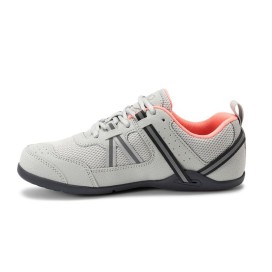
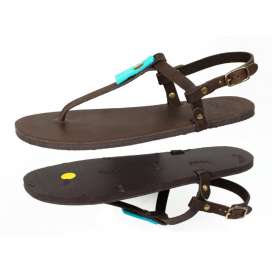
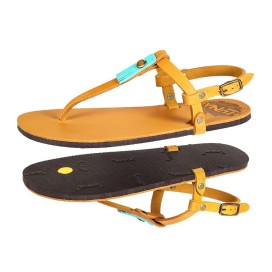
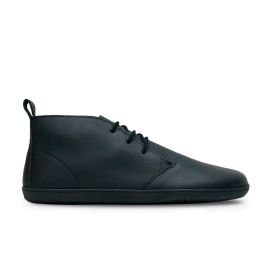
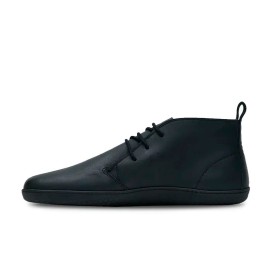
- Everyday Barefoot Sneakers: Urban styles that look minimal and feel genuinely comfortable for the office, errands and walks. You can wear them without anyone knowing they are barefoot shoes.
- Indoor, Yoga and Pilates Footwear: Full ground connection for any floor-based practice. Many models include grip soles so you can wear them to class as well.
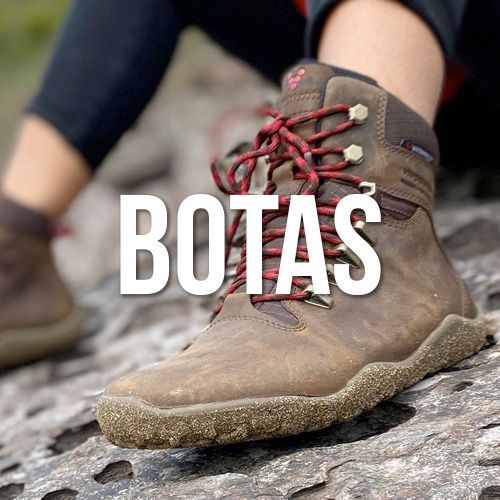
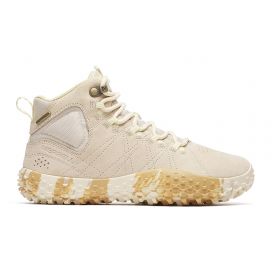
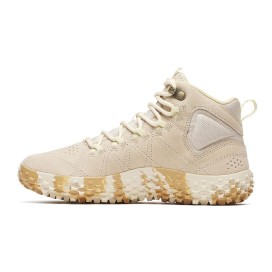
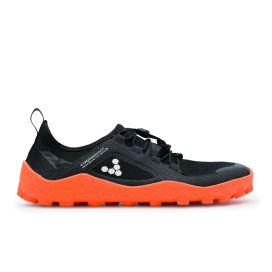
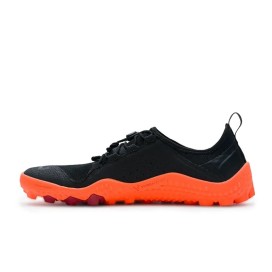
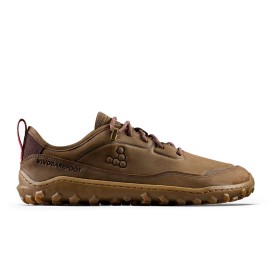
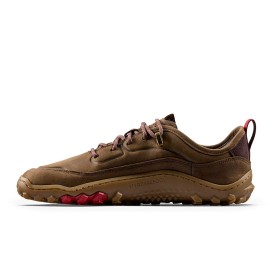
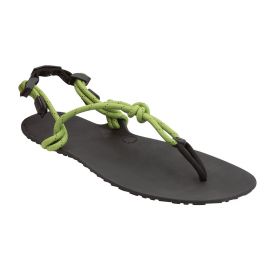
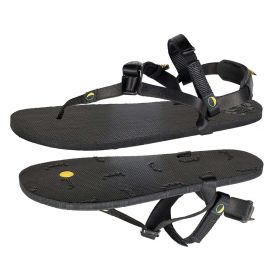
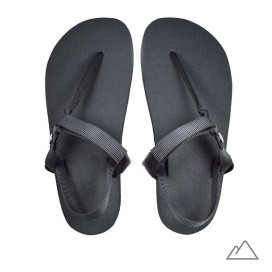
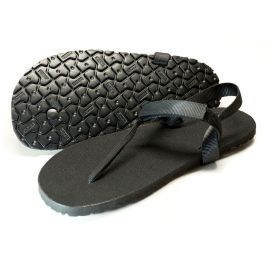
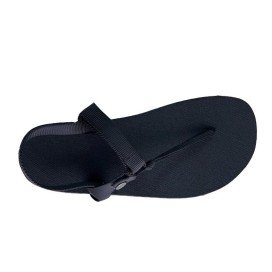
- Trail and Hiking Barefoot: Thick rubber soles that remain completely flexible to adapt to uneven terrain. Your foot feels the path and responds; the ankle stabilises naturally without the need for a rigid boot.
How to transition without injury
The biggest mistake when starting with barefoot footwear is going from zero to intensive use within a few days. Your feet have spent years in conventional shoes and the intrinsic foot muscles — those small muscles that stabilise the arch — are dormant and need to be progressively re-educated.
Start with 30 minutes a day during the first week and increase week by week. It is normal to feel some tension in the arch or Achilles tendon during the early days: this means your body is adapting. If sharp pain appears, rest for a day. Within 4-6 weeks, most people report a completely different stride and a feeling of lightness that conventional footwear can no longer give them.
"The human foot has 26 bones, 33 joints and over 100 muscles, tendons and ligaments. It is designed to adapt to any terrain. Barefoot footwear adds nothing; it simply stops taking things away."



















































 Español
 Português PT
 Deutsch