


Coqueflex Boot Enna - Woman
€79.90
| Size UE |
Internal measure of the shoes (cm) |
Width of the shoe (cm) |
Measure of your longest foot (cm) |
|---|---|---|---|
| 40 | 26 | 10 | 24.8-25.5 |
| 41 | 26.7 | 10.3 | 25.6-26.2 |
| 42 | 27.4 | 10.5 | 26.3-26.9 |
| 43 | 28 | 10.6 | 27-27.5 |
| 44 | 28.5 | 10.7 | 27.6-28 |
| 45 | 29.5 | 10.8 | 28.1-29 |
| 46 | 30.2 | 11 | 29.1-29.7 |
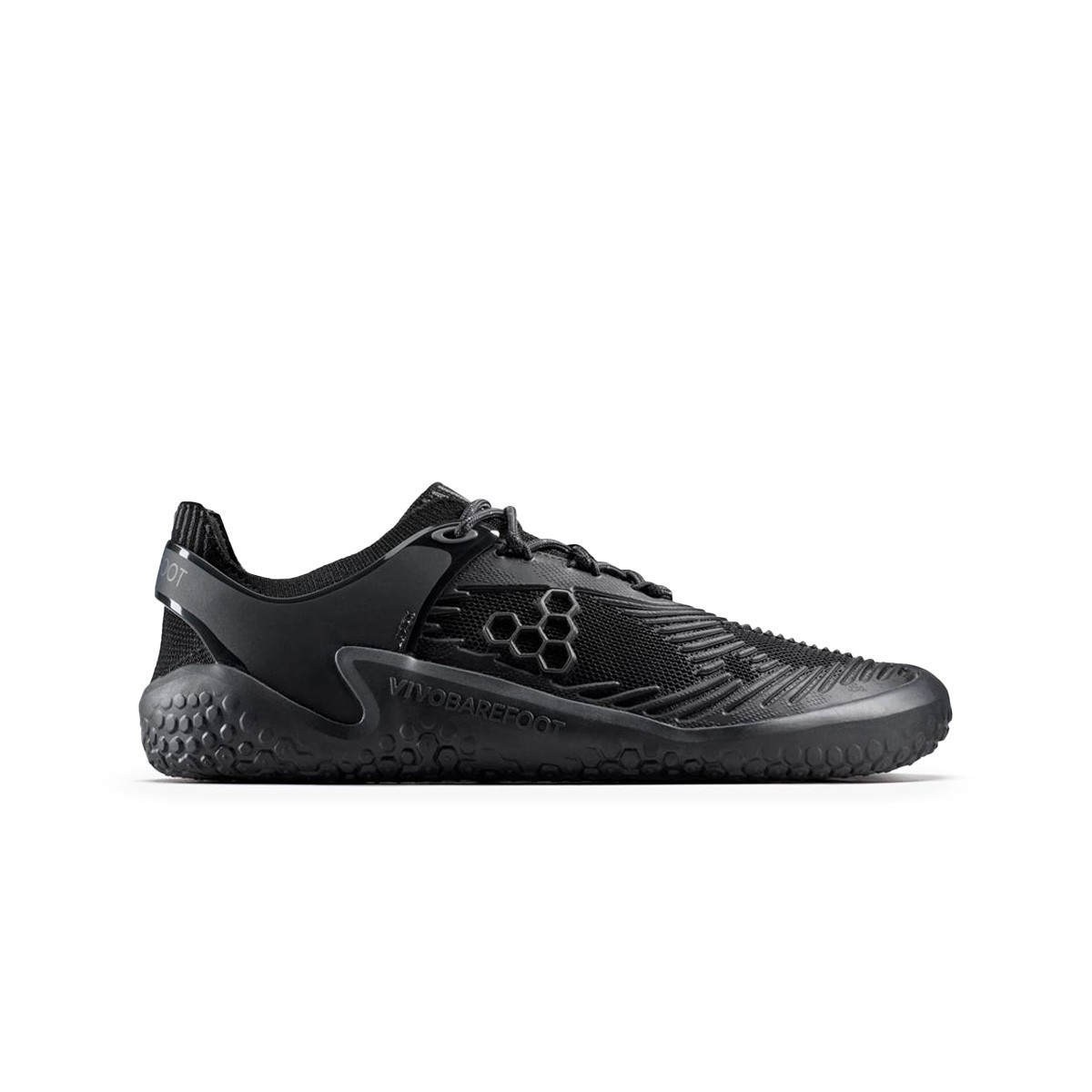
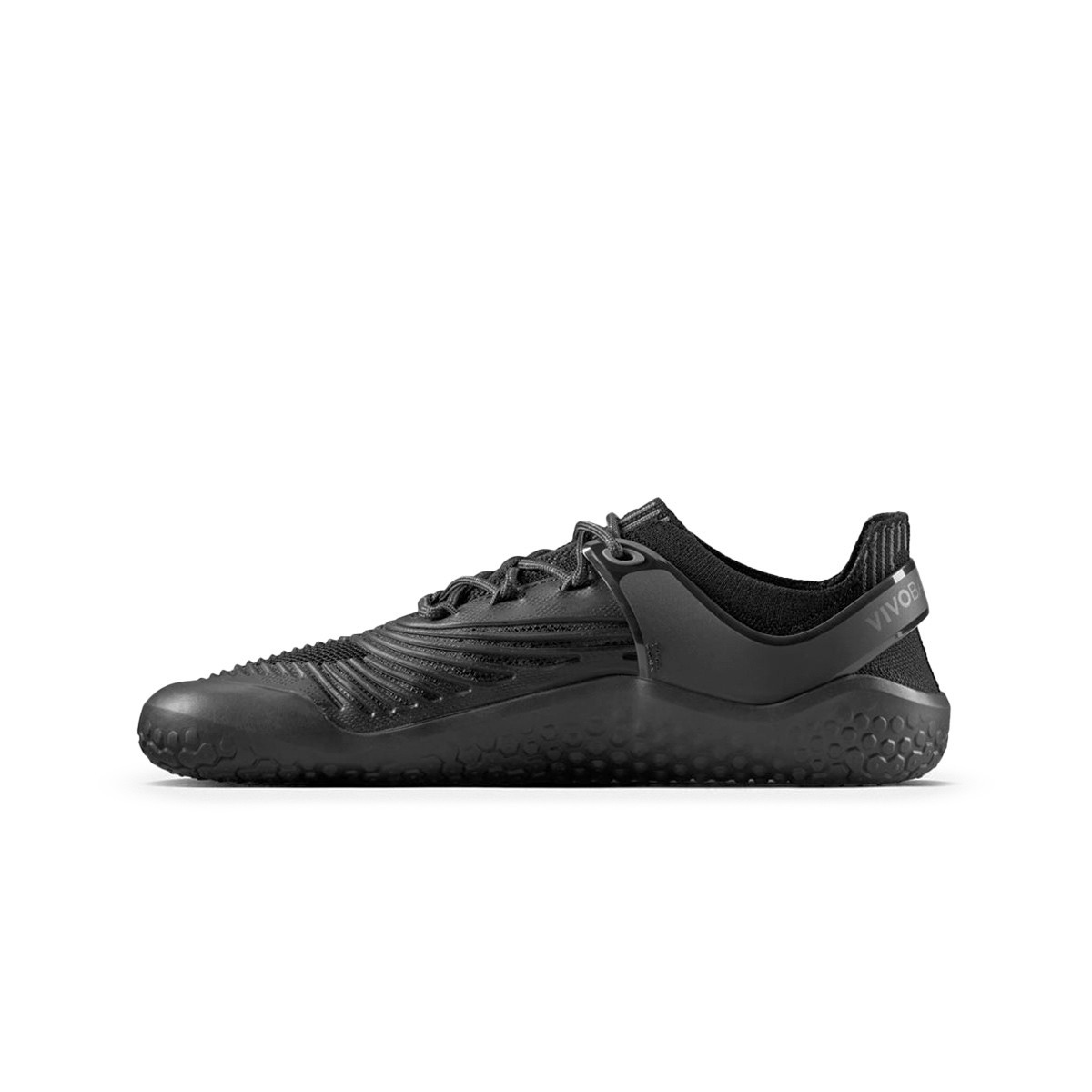
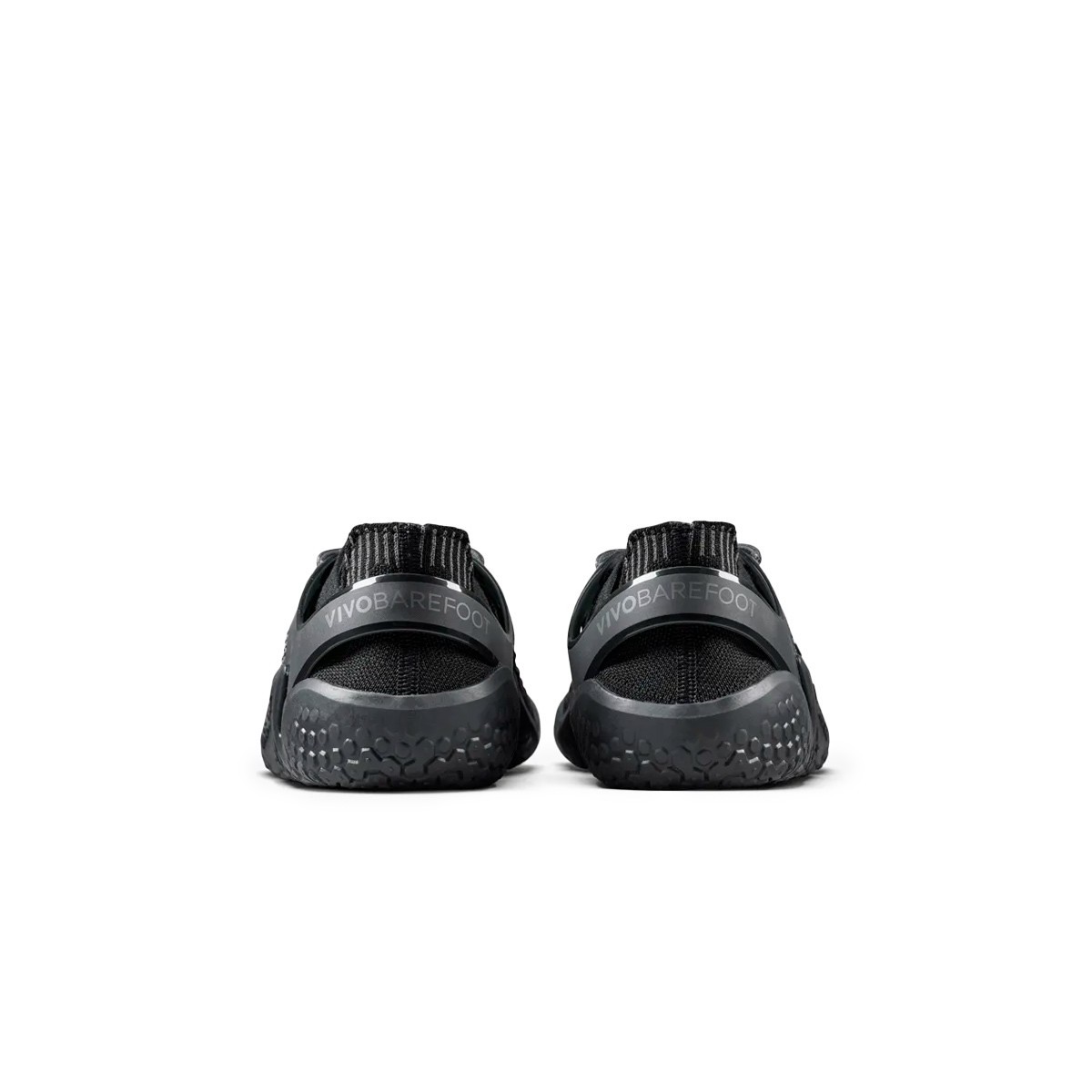
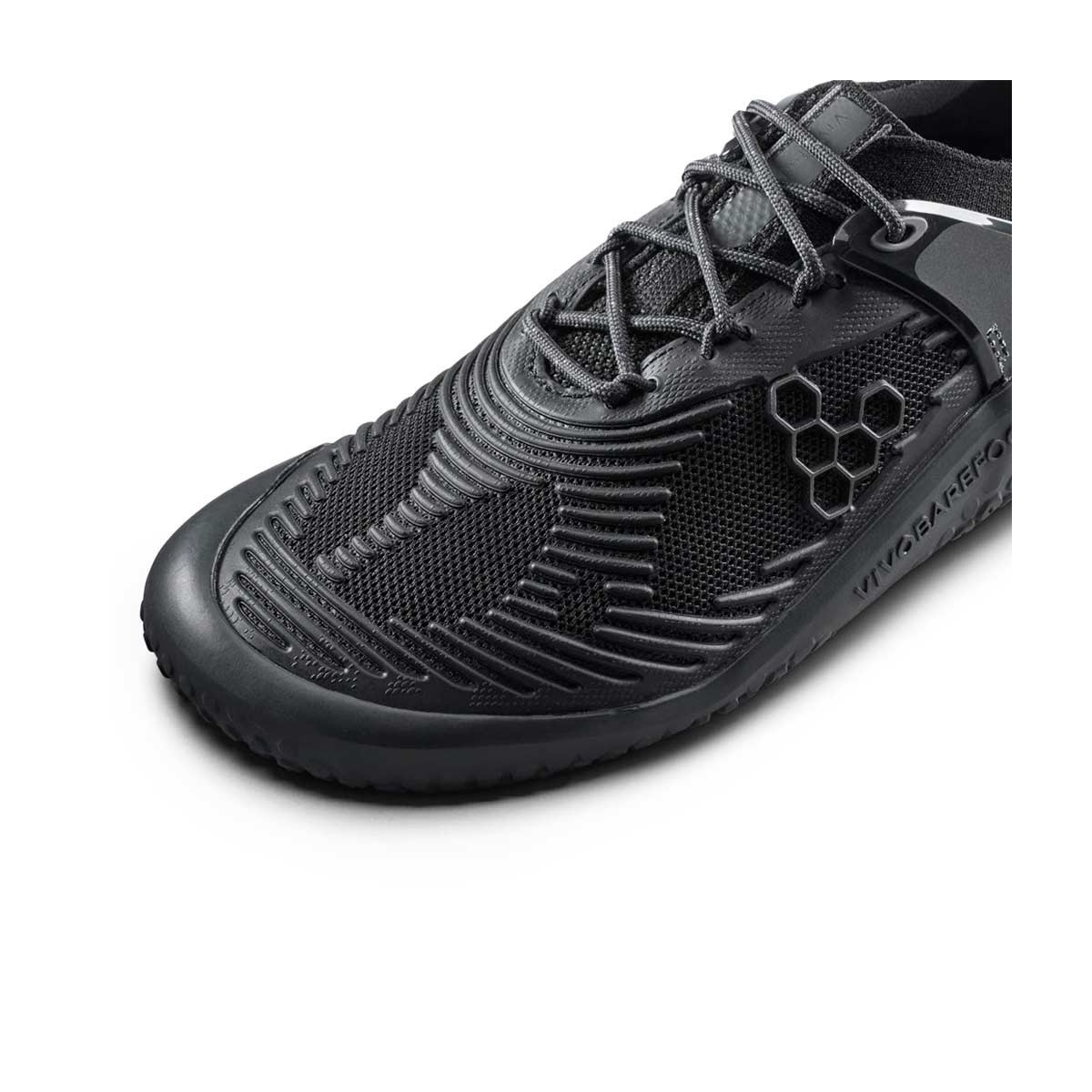
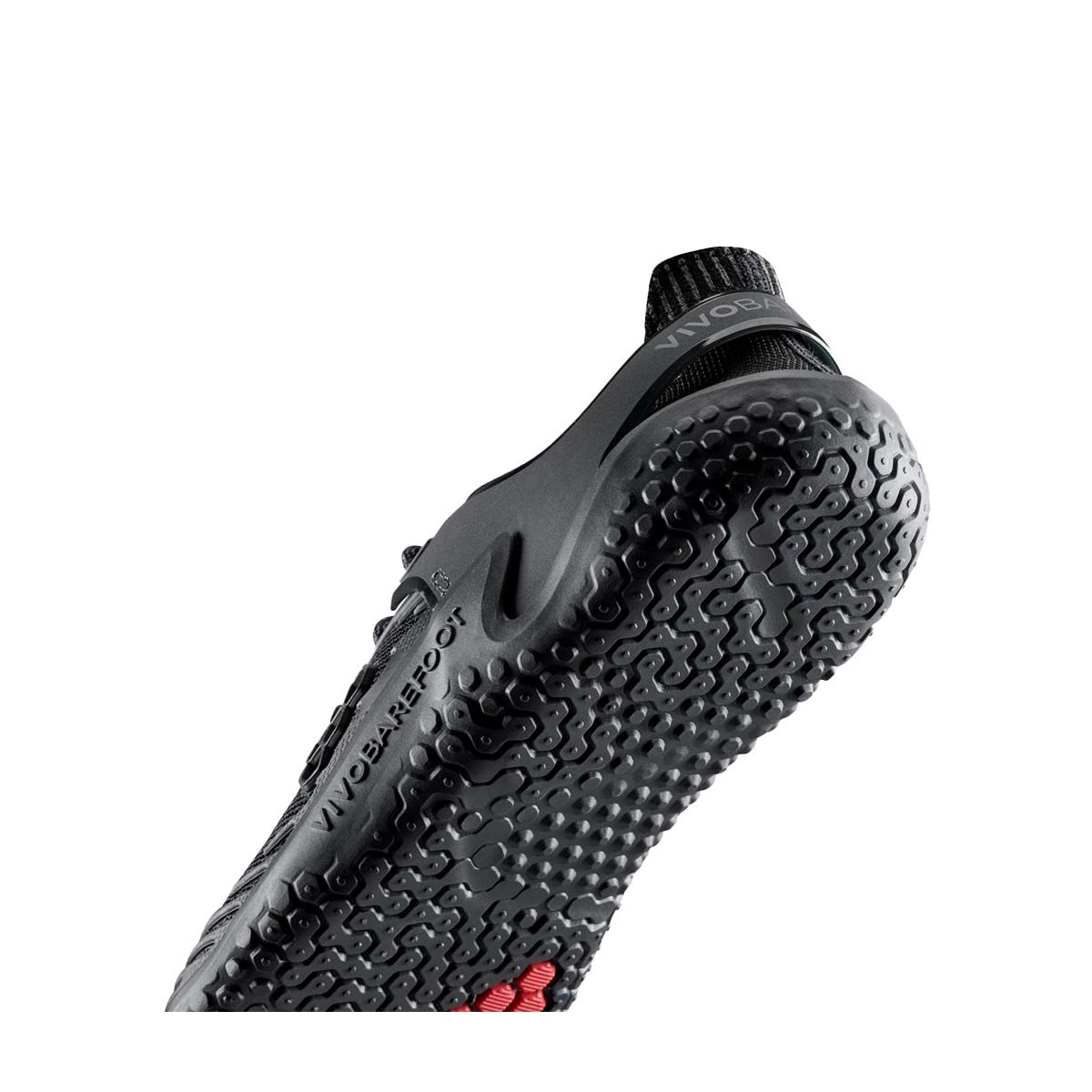
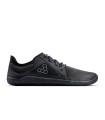
The Vivobarefoot Motus Strength II Men are made for hard training without switching your feet off. More grip, more structure and more stability than a basic barefoot shoe, but with the natural freedom you need to move well.
Ideal for strength, cross training, kettlebells, rope climbs, sled pushes and intense sessions where a soft shoe starts getting in the way.
Firm base. Wide toe box. Strength with barefoot feel.
The Vivobarefoot Motus Strength II Men are men’s barefoot shoes designed for hard training without losing connection with the ground. Strength work, cross training, kettlebells, sled pushes, rope climbs, intervals, functional training and sessions where a soft shoe starts to feel unnecessary from the very first warm-up.
If you are looking for barefoot shoes for the gym with more structure than a Primus Lite, more grip for demanding workouts and a stable base for lifting, this model moves exactly into that territory.
They are not minimalist shoes for strolling nicely around the city.
They are a training tool.
A shoe built to handle abrasion, lateral movements, quick changes of direction and heavy loads without turning your foot into a rigid block. That is the point of the Motus Strength II Men: they have more protection and more structure than other barefoot training models, but still keep a natural, flexible and ground-close feel.
Because training hard does not mean switching the foot off.
It means using it better.
In strength training, stability is not a decorative feature. It is the base of everything. If you do squats, deadlifts, presses, lunges, kettlebells or loaded exercises, you need to feel the ground and distribute foot pressure properly.
A high, soft shoe can feel comfortable.
Until you try to lift heavy.
Then that comfort becomes instability. The foam sinks, the foot loses information and you end up fighting the shoe instead of focusing on the movement.
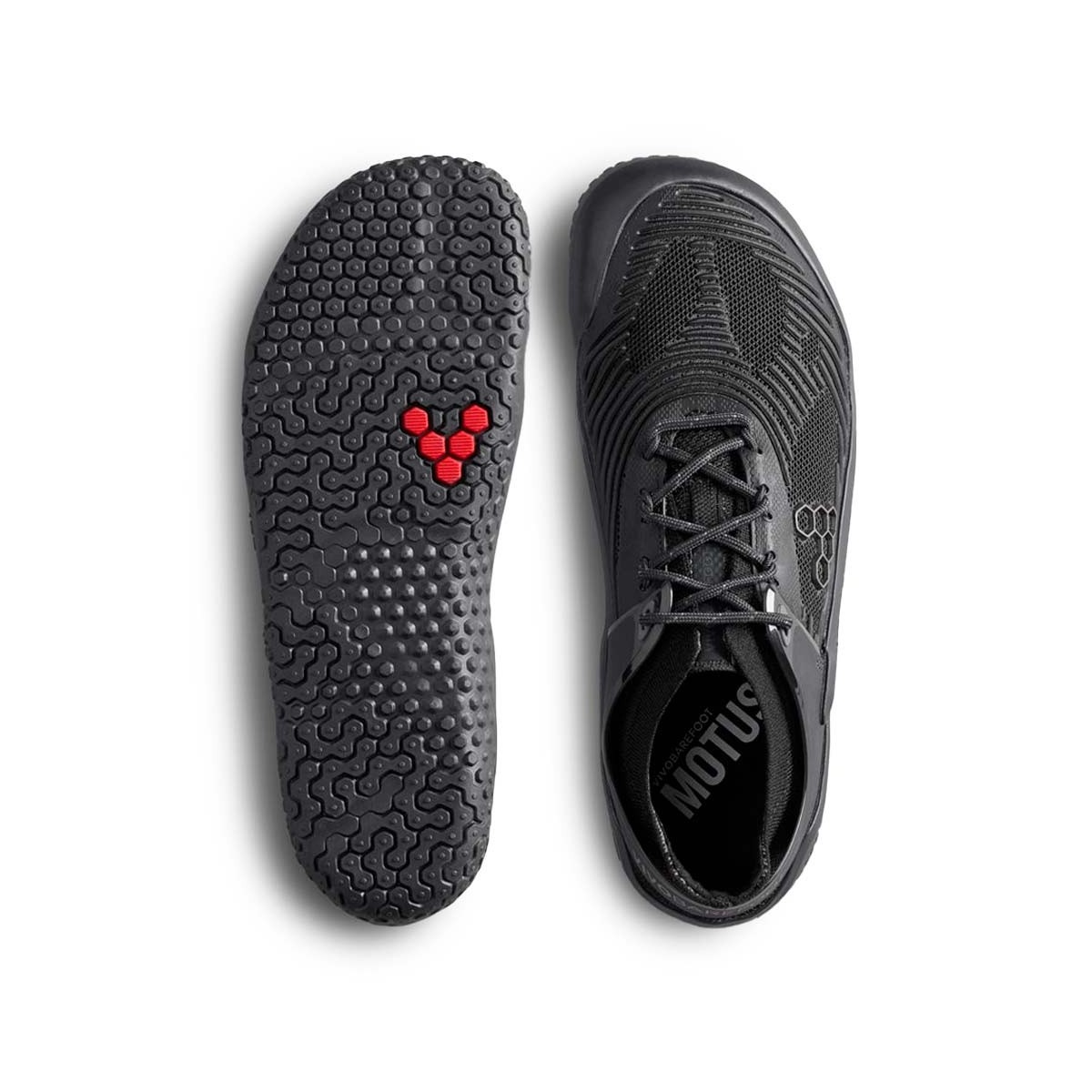
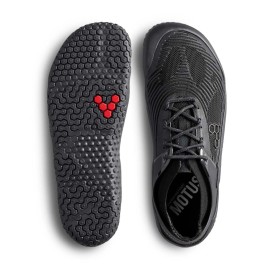
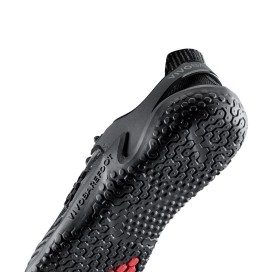
The Vivobarefoot Motus Strength II Men take a different path. Their Motus Strength sole combines a thin 2 mm base with 1.5 mm lugs to provide grip and stability during strength training. It does not isolate you from the ground. It brings you closer to it.
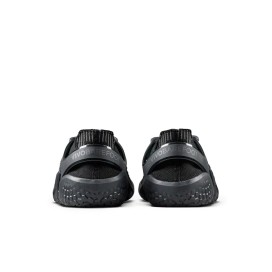
The high midfoot sidewalls also help with lateral movements and quick changes of direction. This makes them especially interesting for barefoot cross training, functional workouts, circuits, dynamic exercises and sessions where you are not just lifting weight, but also moving.
And yes, they are still barefoot.
Wide toe box. Zero drop. Flexibility. Ground feel. But with more muscle around it.
The Vivobarefoot Motus Strength II Men should not be confused with other models from the brand. And this matters if you want to choose well and avoid buying a shoe for the wrong reason.
They are not Primus Lite IV. The Primus Lite IV is lighter, cleaner and more versatile for the gym, asphalt and active daily wear. The Motus Strength II is more specific for strength, cross training and intense sessions where you need more grip, more lateral support and more abrasion resistance.
They are not Motus Flex. The Motus Flex focuses on maximum freedom of movement, mobility and flexibility with a more minimal structure. The Motus Strength II keeps barefoot flexibility, but adds more midfoot support, more protection and a build designed for harder workouts.
They are not Primus Trail. The Primus Trail is designed for trails, dirt and grip away from asphalt. The Motus Strength II is made for the training environment: gym, box, technical floors, rope, loads, intervals and functional work.
So their place is very clear.
If you want a lightweight barefoot shoe for everything, look at Primus Lite.
If you want maximum mobility, look at Motus Flex.
If you want trail, look at Primus Trail.
If you want to train hard with a more resistant barefoot base, this is where the Motus Strength II Men comes in.
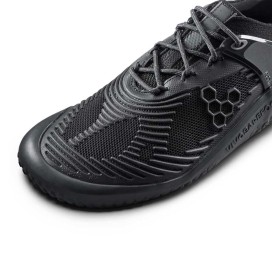
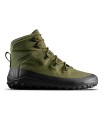
The evolution of this second version shows in the details that matter when you train seriously. The new tongue construction aims for a more secure and adaptable fit. The ribbed KPU overlay supports range of motion, flexion and airflow. And the breathable mesh upper provides protection without turning the shoe into an oven.
In other words: more prepared to suffer.
But without losing the barefoot philosophy.
This matters because many training shoes promise stability in exchange for rigidity. They give you a firm base, yes, but they take away sensitivity. They support you, but they also block you. They protect you, but they separate you from the movement.
The Vivobarefoot Motus Strength II Men try to solve exactly that contradiction: strong enough for demanding sessions and sensory enough for you to keep feeling every support.
They are not shoes for long-distance running.
They are not mountain shoes.
They are not just any urban shoes.
They are for training with intention. For feeling the ground under heavy loads. For moving with control in dynamic exercises. For anyone who wants a more serious barefoot shoe when training is no longer gentle.
The Vivobarefoot Motus Strength II Men are for men who train strength, cross training, functional workouts, calisthenics, kettlebells, intense circuits or sessions where the foot needs stability, grip and freedom at the same time.
They are also for those who already use barefoot shoes and feel that a Primus Lite falls short when training becomes more aggressive. More rope. More sled. More changes of direction. More load. More “today I’m leaving the gym walking strangely”.
That is where they make sense.
They are not for anyone looking for a soft running shoe, nor for those who want a lot of cushioning, nor for someone who needs a specific trail model. They are also not the most logical option if you only want a lightweight casual shoe for walking around the city. You can wear them outside the gym, of course, but their real terrain is demanding training.
If you want a men’s barefoot shoe for lifting, pushing, jumping, rope climbing, changing direction and training with a more natural base, this is a very serious option.
If what you want is passive comfort, foam and disconnection from the ground, better not.
The Motus Strength II Men sit in an interesting place. They are not as minimal as other lighter barefoot models, but they also avoid the excess of many traditional training shoes.
They have structure, but they do not trap you.
They have grip, but they do not isolate you.
They have protection, but they do not turn the foot into a stone.
The wide toe box allows the toes to spread and create a more stable base. Zero drop keeps the foot flat, without lifting the heel. The thin sole improves perception of support. And the upper reinforcements are designed to handle harder sessions without losing flexibility.
This is not about making training easier.
It is about making it more honest.
The shoe does not lift for you. It does not stabilise for you. It does not fix weak technique. But it lets you feel, adjust and push from a more natural base.
And when you train strength, that matters a lot.
The size is similar to other Vivobarefoot models. The right thing to do is to measure your foot and use the button next to the size selector.
And if you do not get it right the first time, you will the second.
The size exchange system is simple, fast and free if you activate the exchange insurance for €1.99 (valid for Spain only).
For more information about fit, read this link.
Materials: as they are made with breathable mesh, recycled polyester and synthetic reinforcements, it is best to remove mud, dust or chalk with a soft brush after more intense workouts.
Care products: for a deeper clean, use a dry or slightly damp cloth and mild soap if necessary. Do not use bleach, harsh detergents or strong chemical products.
Remove the insole and let the shoes dry at room temperature. Avoid tumble dryers, radiators, direct sunlight and any intense heat source. After workouts with rope, sled or abrasive surfaces, check the outsole and reinforcements to remove any accumulated dirt.
For more information, you can check the guide on care and maintenance of barefoot shoes.
Data sheet
Specific References











Please sign in first.
Sign in


 Español
 Português PT
 Deutsch